
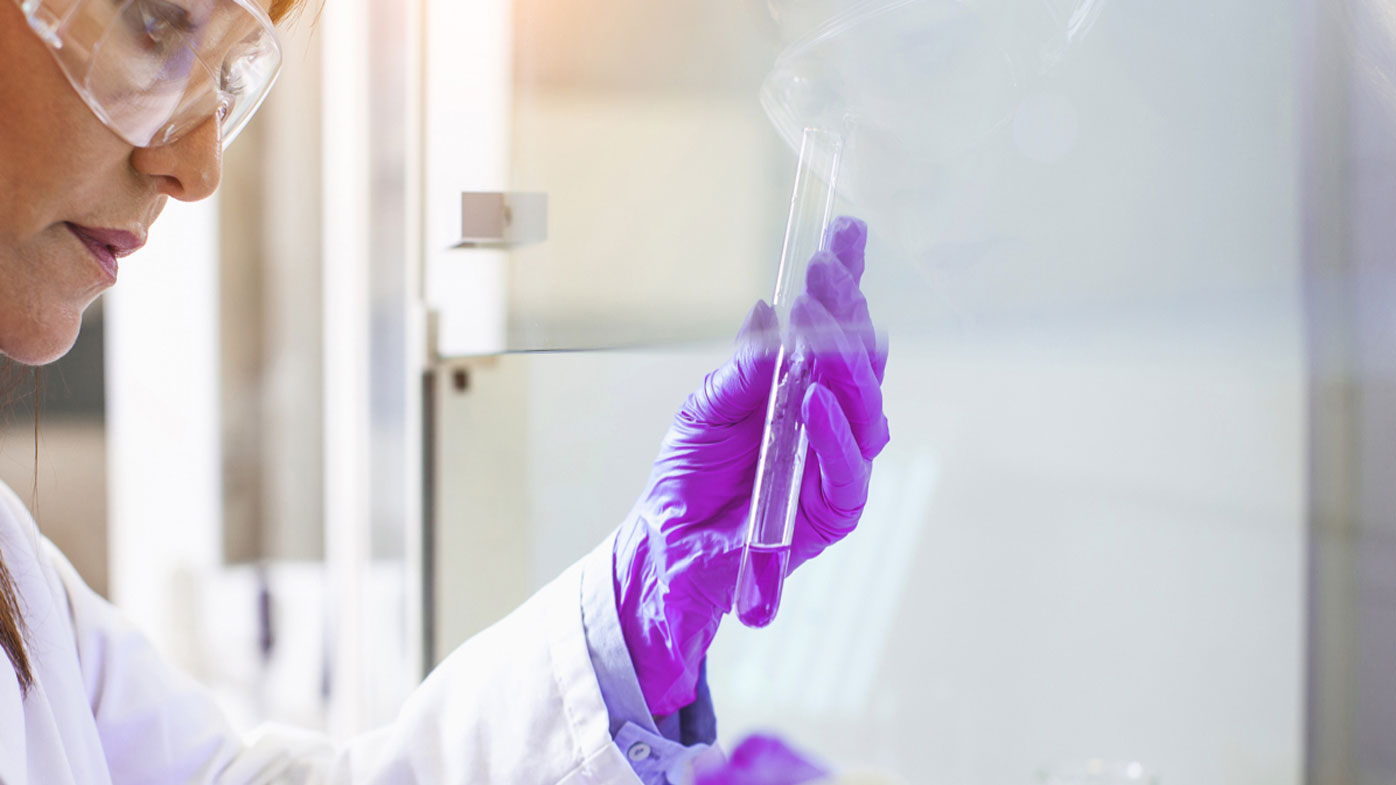
Why Ferric Aluminium Sulfate FLAKE 16% (Ferrous) Is Essential for Industrial Applications
In the realm of industrial chemicals, Ferric Aluminium Sulfate FLAKE 16% (Ferrous) stands out as a versatile and indispensable compound with a wide range of applications. This chemical compound, often abbreviated as Ferric Alum, plays a crucial role in various industries due to its unique properties and benefits. Let’s delve into why Ferric Aluminium Sulfate FLAKE 16% (Ferrous) is highly valued in industrial applications.
Understanding Ferric Aluminium Sulfate FLAKE 16% (Ferrous)
Ferric Aluminium Sulfate FLAKE 16% (Ferrous), commonly known as Ferric Alum, is a compound formed by the combination of iron (III) and aluminum ions with sulfate ions. Its chemical formula, FeAl(SO₄)₃, reflects its composition and structure. The “16%” in its designation typically refers to the concentration or purity of the compound, making it suitable for specific industrial processes.
Key Industrial Applications
1. Water Treatment: Ferric Aluminium Sulfate FLAKE 16% (Ferrous) is widely used in water treatment processes, particularly in municipal water treatment plants and industrial wastewater treatment facilities. It acts as a coagulant, facilitating the removal of impurities, suspended solids, and color from water. Its ability to form large, dense flocs enhances the efficiency of filtration processes, ensuring cleaner and safer water for various uses.
2. Paper Manufacturing: In the paper industry, Ferric Alum serves as a sizing agent and retention aid during paper manufacturing processes. It improves the retention of fillers and additives in the paper pulp, enhances paper strength and durability, and contributes to better paper formation and quality. Its use helps in achieving optimal paper properties while minimizing production costs.
3. Textile Industry: Ferric Aluminium Sulfate FLAKE 16% (Ferrous) finds application in the textile industry for dyeing and printing processes. It acts as a mordant, facilitating the fixation of dyes onto fabrics and ensuring vibrant and lasting colors. Additionally, it aids in improving the adherence of pigments and finishes to textiles, enhancing overall textile quality and appearance.
4. Pharmaceutical and Cosmetics: The pharmaceutical and cosmetic industries utilize Ferric Alum for its astringent and antiseptic properties. It is incorporated into products such as antiperspirants, deodorants, aftershaves, and skincare formulations for its ability to reduce perspiration and skin irritation while providing antibacterial benefits.
5. Other Industrial Uses: Beyond the aforementioned sectors, Ferric Aluminium Sulfate FLAKE 16% (Ferrous) is also employed in various industrial processes, including in the production of ceramics, catalysts, and specialty chemicals. Its role in these applications underscores its versatility and importance across different industrial domains.
Advantages of Ferric Aluminium Sulfate FLAKE 16% (Ferrous)
- Effective Coagulation: It facilitates rapid and efficient coagulation and flocculation in water treatment, leading to improved water quality.
- Cost-Effective: Its affordability and effectiveness make it a preferred choice in industries looking to optimize operational costs.
- Environmental Compatibility: It meets regulatory standards for water treatment and other applications, ensuring compliance with environmental regulations.
Conclusion
Ferric Aluminium Sulfate FLAKE 16% (Ferrous) is a valuable chemical compound with diverse applications across various industries, owing to its coagulation properties, effectiveness in water treatment, enhancement of paper quality, and utility in textile dyeing and pharmaceutical formulations. Its versatility, cost-effectiveness, and environmental compatibility make it an essential component in industrial processes aimed at achieving efficiency, quality, and regulatory compliance.
Whether in improving water purity, enhancing paper strength, ensuring vibrant textiles, or contributing to skincare products, Ferric Aluminium Sulfate FLAKE 16% (Ferrous) continues to play a vital role in shaping modern industrial practices and meeting the diverse needs of global industries.

Leave a Reply